
- March 25, 2025
- Sudan
Sarah Hamza Al-Jack
Takayas of Love and Hearts that Transform
“Al-Takaya” in Sudanese culture is the shelter by which passers pass when they are cut off for any reason, such as late arrival after transportation is interrupted, paying for the ticket, illness and inability to follow-up. There are many reasons, and it’s the same result where someone needs a place to spend hours or days before resuming his trip.
Al-Takaya is a haven where food, drink, and a place for sleep are available. The traveler finds everything he needs day and night. They are spread throughout Sudan, and in some areas they are called the house of the travelers. in normal circumstances, the number of passers is the same as these houses.
But what if the conditions are normal?
Not only are they unusual, but they are exceptional circumstances that devoured the rich areas of Sudan out of greed, envy, and resentment to serve other agendas. Also there are many causes, and the result is the same, which is war, but this time it did not exclude an area. The rope tightened around the strangler, and he pulled it around his own neck, committing suicide along with the entire nation. It gradually lit the fire,. It started from the heart, and it started burning. Khartoum, Madani, Al-Geneina, Sennar Sinja etc. With every attack on a city, its inhabitants are displaced, and one takaya opens after another to accommodate those fleeing from the hells of war. The people there found food, drink, and shelter, and they got to know each other, then got along, and some of them even wed one another. They opened their hearts before their homes, but this does not negate what happened afterwards from greed and profiteering through rent, discrimination and unkind treatment.
But here I want to stop at this scene; houses looted, stolen, burned; their women raped and their men killed; they were displaced, and hearts were opened for them before doors, more schools were opened for them, and more squares were prepared for them. Here, I was taken back by the hearts of the women as guests and hosts, their ability to absorb the tragedy and cope with it, their ability to think about the solution, and to help implement and initiate the solution that was proposed with strength and steadfastness for days on end. They stood up and defended their sons, husbands and daughters. They endured harm on behalf of everyone without hesitation. The media circulated the story of the woman asking the attackers to rape her instead of her daughters. they raped her and went hoping to return again to rape the girls. She endured the pain and ran away with her daughters at night.
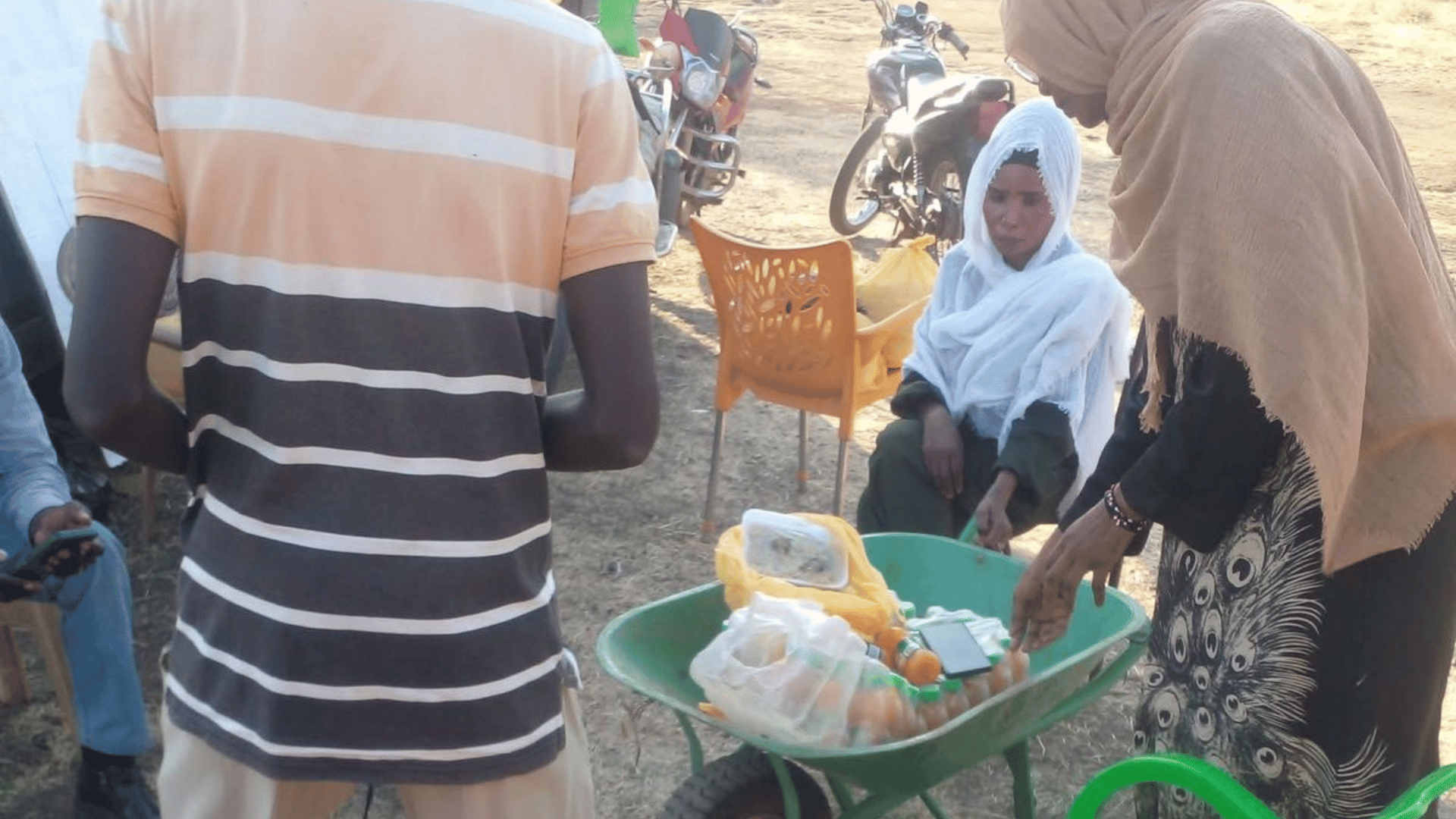
During my journey of displacement with my family as guests at my aunt’s house in Atbara, we were welcomed and loved, considering that it is the family home, we stayed for four full months, there were strangers before us, and after us and until this moment since the outbreak of the Khartoum war in April 2023, they did not sleep a single night without guests, during my stay and before I left Sudan. we visited the schools where the takaya was set up. we found one family, not multiple families, they exchanged respect and appreciation among them, and they stood up for duty and demand. In the takaya, pregnant women gave birth, the soon to wed were married, and funerals were held for the deceased.
I will tell the story that touched me the most. There was a family consisting of a mother and her two daughters. They fled with those escaping from Khartoum to Atbara. They lived in one of the takayas in the corners of the airport district. One of them was a bride who was in the process of following her husband to another country. The second was pregnant in her last month. She gave birth to her child as if she were among her family. All the people in that corner became mothers and sisters who took turns taking care of her and the newborn. The process of the bride to follow her husband was complete, and she had to leave to reunite with him. She had to arrive and start the process for her mother to join her. The birth mother regained her strength after 40 days from the birth, and the baby grew healthier. She insisted on continuing her journey by residing in the house of her in-laws in one of the safe cities. On this day, the birth mother went to the bus terminal to board her bus and travel. She was accompanied by her mother to say goodbye. Their farewell was unusual, it was the farewell after which there is no meeting in this life, they cried heartbroken, they were hugging in a scene that stopped by-passers . After great effort they separated from each other. The traveler rode the bus that went on its way, and the mother fell to the ground after the goodbye, and when People ran over to her and found her dead, they returned her to the takaya in the corner, where she was buried and a funeral was held for one day.
During that time, I have learned one of the most important characteristics of women in general and Sudanese women in particular, which is that they have balloon hearts, which inflate with the size of the tragedy but never pop, insert the tragedy, treat it, and then take it out, surrounded by the patience and ability by others to overcome and cross safely. That heart is a balloon-like-laboratory that treats the wounds of the soul and body.
The author of the above article, Sarah Hamza Al-Jack, is a Sudanese writer, one of the most prominent contemporary Sudanese writers, and her works include:
Prayers Born of Mixed Roots 2009 «Story Collection»
Betrayal 2013 «novel»
Komba «collection of short stories»
Propaganda 2017 «Collection of Short Stories»
Licorice 2017 “Novel”.
تكايا الحب وقلوب النساء المعامل
التكية في الثقافة السودانية؛ هي المكان الذي يأوي إليه عابري الطريق؛ الذي ينقطع بهم الطريق لأي سبب من الأسباب؛ كالوصول المتأخر بعد إنقطاع المواصلات؛ دفع قيمة تذكرة السفر؛ المرض وعدم القدرة علي المتابعة؛ تتعدد الأسباب والنتيجة واحدة؛ أن شخصا ما يحتاج الي مكان يقضي فيه ساعات أو أيام؛ قبل إستئناف رحلته.
التكية تكون ملاذا يتوفر فيها الطعام والشراب وموضع النوم؛ يجد فيها المسافر كل ما يحتاجه في يومه وليلته؛ منتشرة في كل بقاع السودان؛ وفي بعض المناطق يطلق عليه بيت المسافرين؛ في الظروف العادية؛ يكون المارين علي مثل هذه البيوت بالعدد.
لكن ماذا لو تكن الظروف عادية؟
هي ليست غير عادية فقط هي استثنائية؛ ظروف كانت تأكل المناطق الغنية من السودان؛ طمعا حسدا؛ غبنا؛ لخدمة أجندات أخري؛ أيضا تتعدد الأسباب والنتيجة واحدة وهي الحرب؛ لكنها هذه المرة لم تستثني منطقة؛ ضاق الحبل علي الخانق فشده علي عنقه منتحرا بالوطن كله؛ أشعل النار بالتدرج بدأها من القلب؛ ومضي يقضمها قضمه قضمه؛ الخرطوم مدني الجنينة؛ سنار سنجة الخ ؛ مع كل هجمة علي مدينة؛ ينزح سكانها تفتح تكية ثم تكايا؛ لتستوعبت الفارين من جحيم الحرب؛ أطعمت وشربت وسكنت؛ تعارفوا ثم تآلفوا ومنهم من تصاهروا؛ فتحوا قلوبهم قبل بيوتهم؛ هذا لا ينفي ما حدث بعد ذلك؛ من طمع وجشع في الإيجارات؛ والتمييز والتعامل غير اللطيف.
لكني هنا أريد أن أقف عند هذا المشهد؛ بيوت نهبت سرقت حرقت؛ اغتصبت نسائها وقتل رجالها؛ نزحوا ففتحت لهم القلوب قبل الأبواب؛ ازدادوا فتحت لهم المدارس؛ ازدادوا هيئت لهم الساحات؛ هنا استوقفتني؛ سعة قلوب النساء ضيفات ومضيفات؛ قدرتهن علي استيعاب الفاجعة الـتأقلم معها؛ القدرة علي التفكير في الحل؛ المساعدة تنفيذ الحل الذي تم اقتراحه والشروع فيه بقوة وثبات؛ مشين لأيام متتالية بصمود؛ وقفن ودافعن عن أبنائهن وازواجهن وبناتهن؛ تحملن الأذى بدلا عن الكل بلا من أو جزع؛ تداولت الوسائط قصة المرأة طلبت من المهاجمين اغتصابها بدلا عن بناتها؛ اغتصبوها وذهبوا آملين في العودة مرة أخري لاغتصاب البنات؛ تحملت وجعها وهربت مع بناتها ليلا.
في رحلة نزوحي وإقامتي وأسرتي ضيوفا علي بيت عمتي في عطبرة؛ وجدنا الترحاب والمحبة؛ بإعتبار إنه منزل العائلة؛ أقمنا أربعة أشهر كاملة؛ أقام قبلنا أغراب عن أهل البيت؛ وبعدنا و الي هذه اللحظة ومنذ قيام حرب الخرطوم في ابريل 2023؛ لم يناموا ليلة واحدة بلا ضيوف؛ أثناء إقامتي تلك وقبل مغادرتي للسودان؛ زرنا المدارس التي أقيمت فيها التكايا؛ وجدنا أسرة واحدة لا أسر متعددة؛ يتبادلن الإحترام والتقدير بينهن؛ ووقفن وقفة الواجب والمطلوب؛ في التكية ولدت الحامل وتم تزويج المقبلة علي الزواج؛ أقيم العزاء للمتوفيات.
سأروي أكثر قصة تاثرت بها؛ كانت هناك أسرة مكونة من أم وإبنتيها ؛ فروا مع الهاربين من الخرطوم الي عطبرة؛ سكنوا في إحدي زوايا تكية حي المطار؛ إحداهن عروس إجراءات اللحاق بزوجها في احدي الدول؛ والثانية حبلي في شهرها الأخير؛ وضعت الحبلي طفلها وكانها بين أهلها وأسرتها؛ تحول كل المقيمات في الزاويا؛ الي أمهات وأخوات تبادلوا الإعتناء بها وبالمولود؛ وإكتملت إجراءات العروس الملحقة بزوجها وسافرت له؛ علي أن تصل وتشرع في إجراءات التحاق أمها بها؛ أكملت النفساء الأربعين؛ عادت اليها عافيتها وإشتد عود المولود؛ وعزمت علي إكمال مسيرتها؛ للإقامة ببيت أصهارها في إحدي المدن الآمنة؛ في هذا اليوم قصدت الإبنة النفساء الميناء البري لتستقل بصها وتسافر؛ صحبتها الأم لتودعها؛ كان وداعهما غير عادي؛ كان الوداع الذي لا لقاء بعده في الحياة الدنيا؛ بكتا بحرقة؛ تلاحمت أحضانهما في مشهد أوقف العابرين والمارة؛ بعد جهد جهيد انفكا عن بعضهما؛ ركبت المسافرة البص الذي مضي في طريقة؛ ووقعت الأم المودعة علي الأرض؛ وعندما لحقها الناس وجدوها ميتة؛ اعادوها الي التكية المقامة في الزاوية تم دفنها وأقيم عزاء ليوم واحد.
في تلك الفترة والي الأن ؛عرفت صفة من أهم صفات النساء عامة والسودانيات خاصة؛ وهي أن لهن قلوب بالونية؛ تتسع بحجم الفاجعة ولا تنفجر أبدا؛ يدخلون فيها الفاجعة يعالجنها ثم يخرجنها؛ محاطة بالصبر والقدرة ؛ الي مواقف يمكن للاخرين تجاوزها وعبورها بسلام؛ في ذلك القلب المحال الي معمل بالوني يعالجن جروح الروح والجسد.
كاتبه المقال اعلاه سارة حمزة الجاك كاتبة سودانية، إحدى أبرز الكاتبات السودانيات المعاصرات، ومن أعمالها:
ـ صلوات خلاسية 2009 «مجموعة قصصة»
ـ خيانتئذٍ 2013 «رواية»
ـ كُمبا «مجموعة قصصية»
ـ بروباقندا 2017 «مجموعة قصصية»
ـ السوس 2017 “رواية”.