Transformative Narratives at Utøya
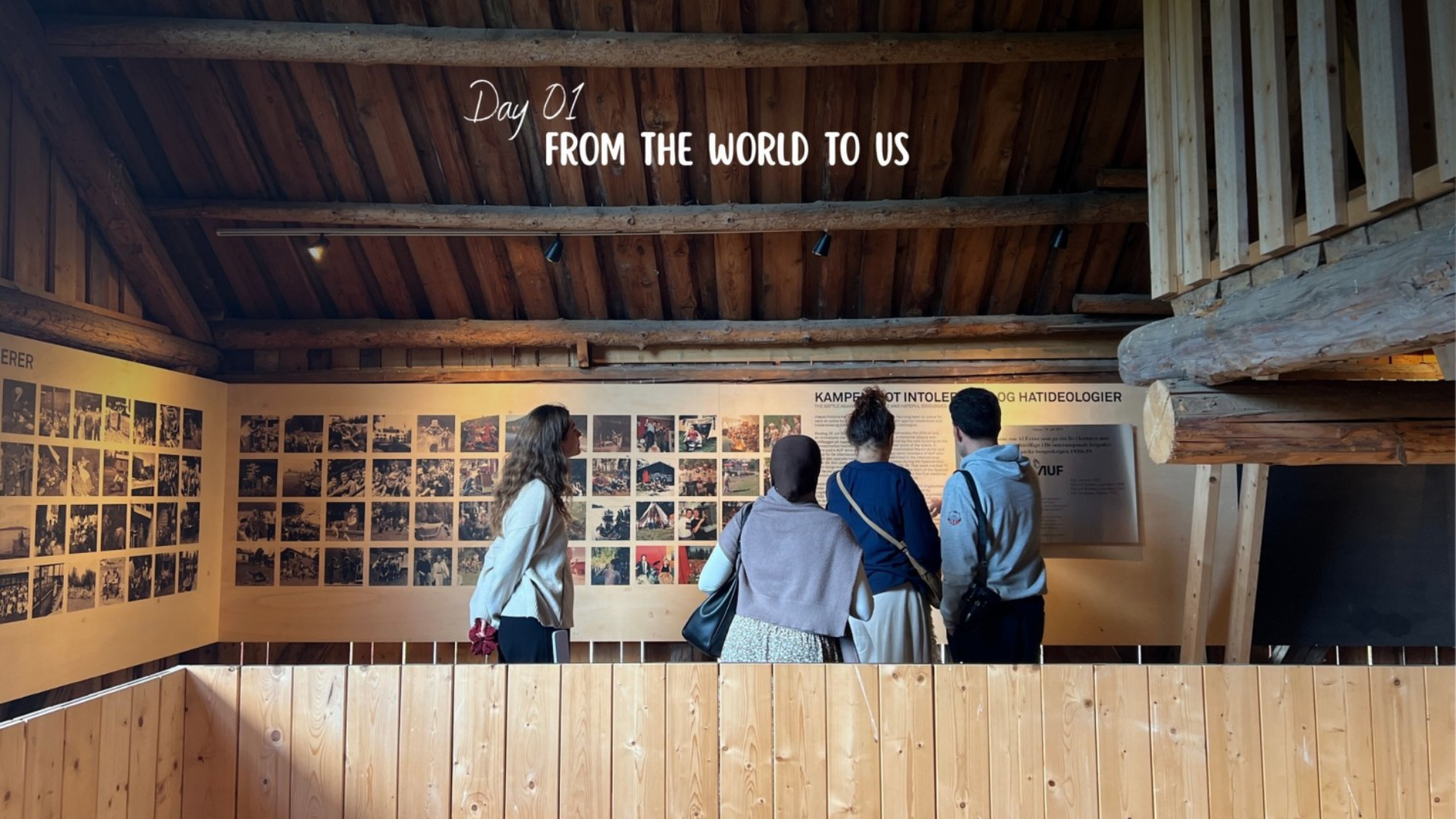
When we visited Utøya, we realized how connected our stories were to this place, how alike, yet different, our experiences were. We saw the potential of Utøya, and the story of its place, to transform our own stories and those of the world. We wanted to create a space to explore how the stories of Utøya could guide us in reimagining our personal and collective narratives, shaping a more peaceful, just, and liberated world.
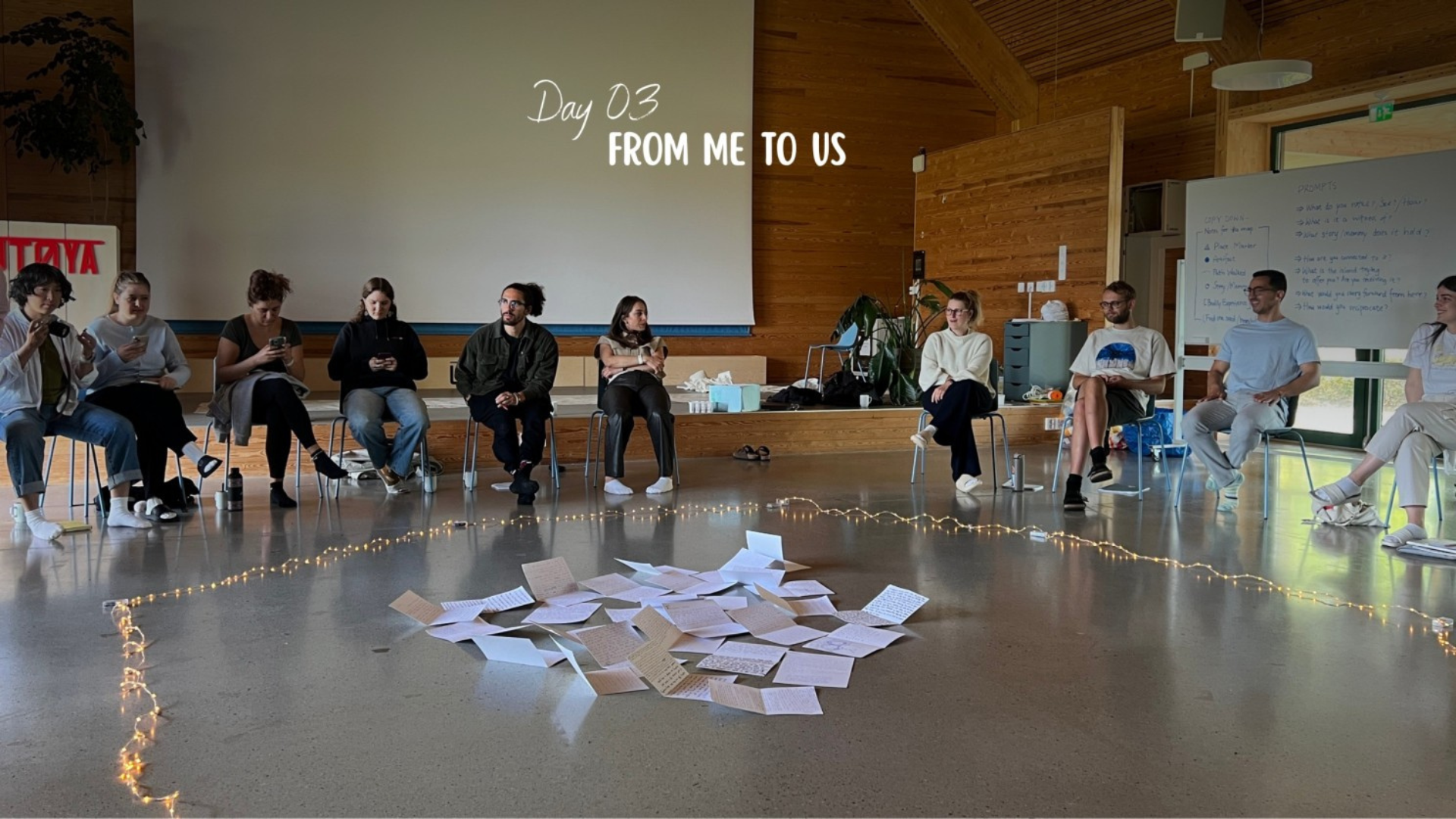
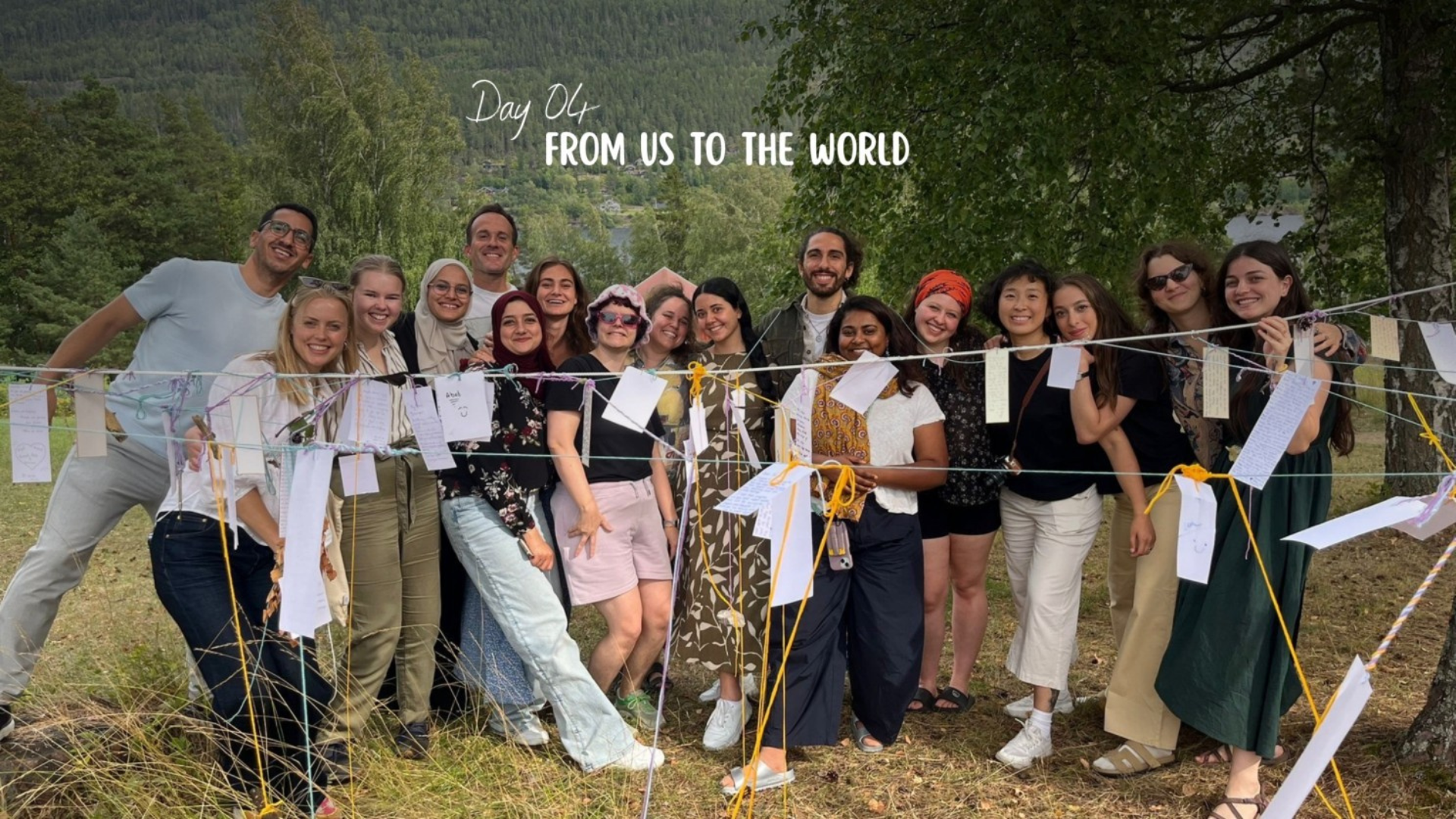
At Utøya, we didn’t just tell stories, we lived storytelling as power. Our philosophy rests on the belief that stories move in circles, shaping us from the inside out and returning to the world with the power to transform:
- From the inner self: where we face memory, embrace pain, and move toward inner liberation
- To the collective: and belonging unfold in community and bridge our inner and external worlds
- To the world: where stories ripple outward, sparking action, justice, and change, bringing us closer to collective liberation.
We explored the intersection of peace, trauma, and storytelling. Not as separate themes, but as threads woven together: the way silence can hold remembrance, how imagination can transform wounds, how collective resilience can rise stronger than violence.
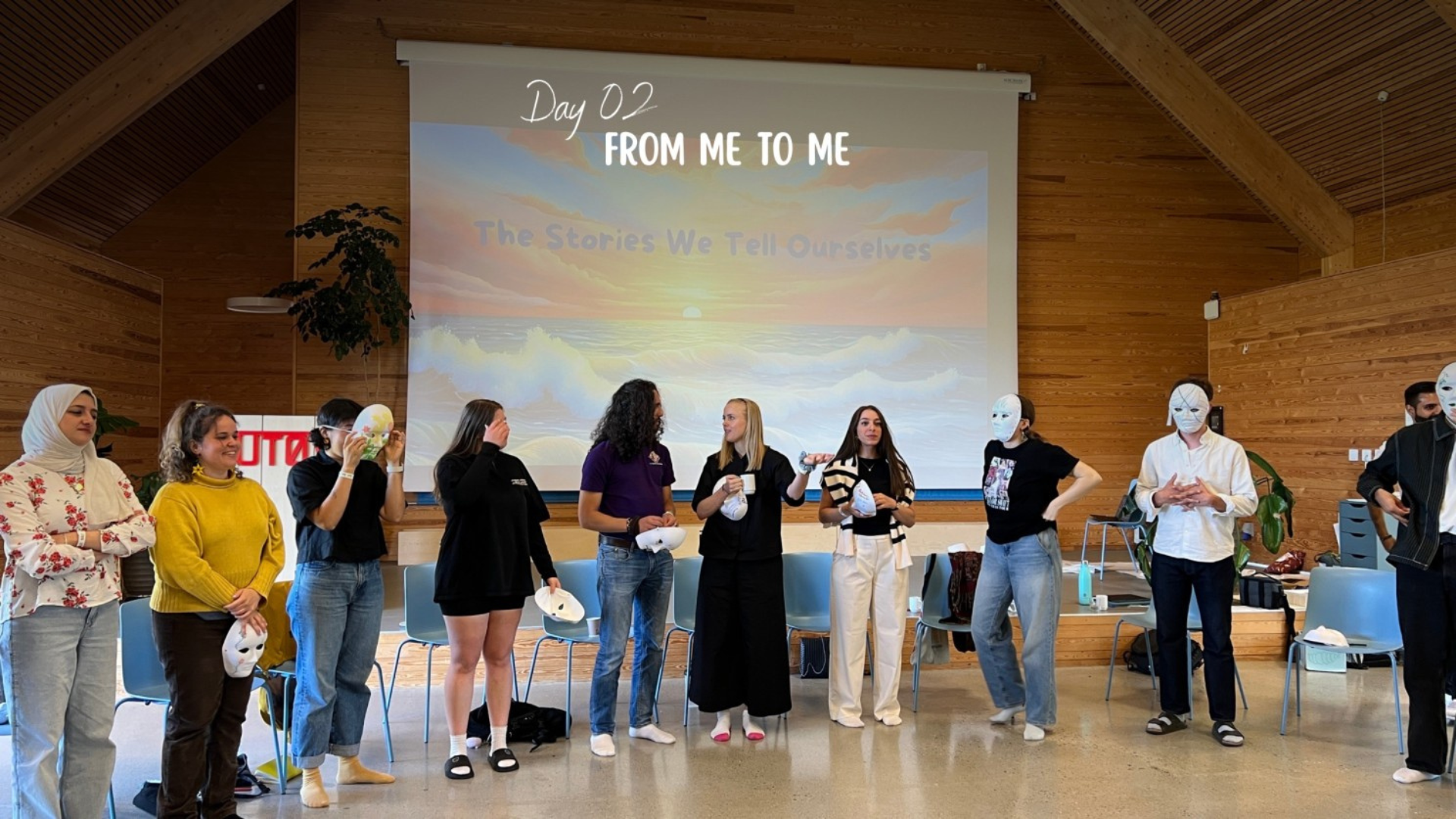
The impact we want to create begins with the stories we tell ourselves, our inner storytelling. We imagine a journey that starts within, reframing narratives that held us back and transforming pain into strength and shame into pride
From there, we move to outer storytelling, sharing our stories with others to create connection, belonging, and collective healing.
Finally, we step into impact storytelling, using our stories to challenge injustice, build peace, and create change. By starting within, we believe we can change the stories around us, and ultimately, change the world
At Waves to Home, storytelling moves through a cycle that carries stories from the self to society.
To reimagine is to dare, to envision a more peaceful, just, and liberated world. A world where stories are not only shared, but lived, felt, transformed, and carried into the world as seeds of change.