
- April 20, 2025
- Sudan
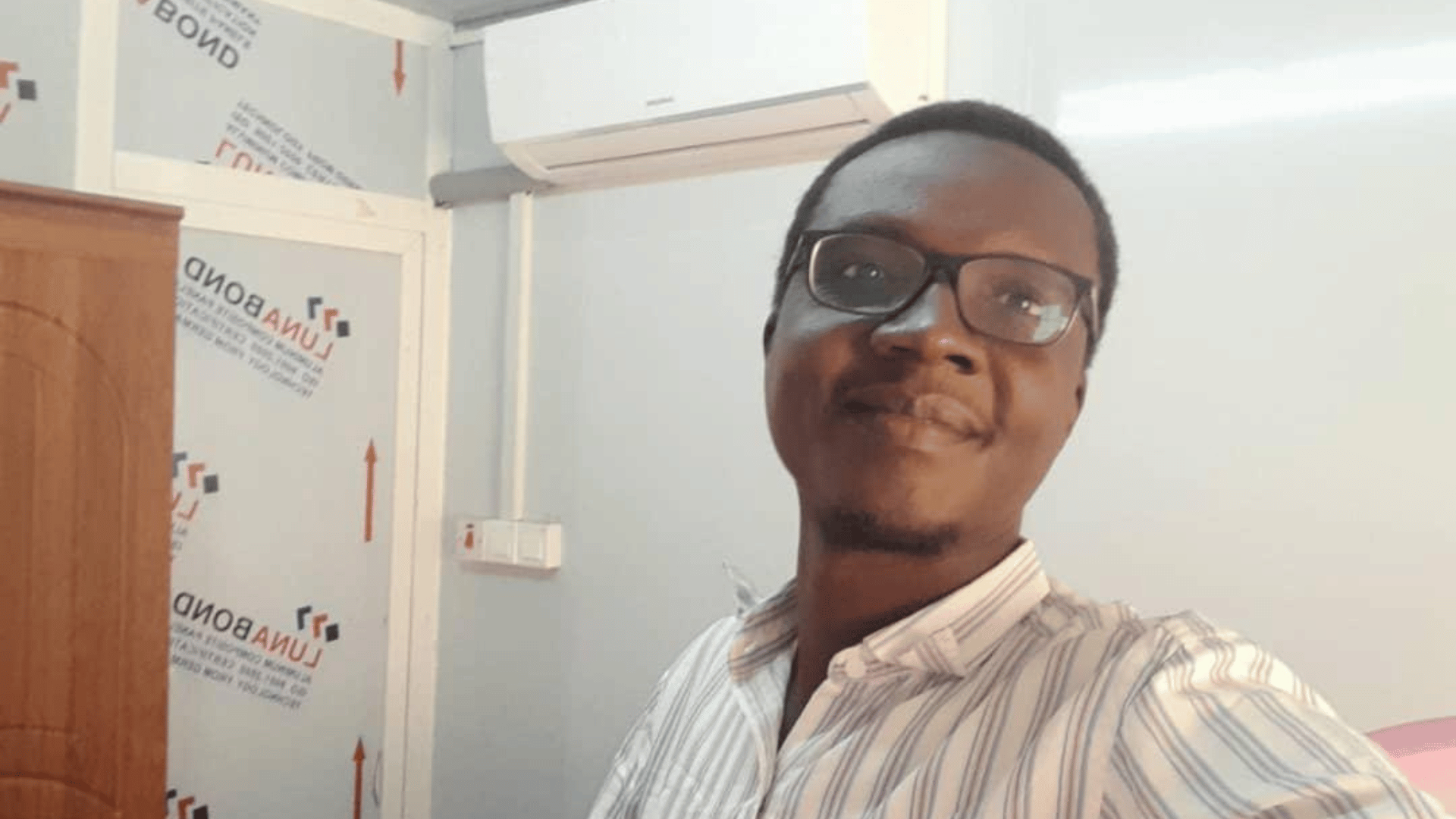
Awad Abdel Ghani
I am Awad Abdel Ghani, a Sudanese who grew up in a dynamic environment due to my father’s work, which led us to move between several states before settling in Khartoum. We didn’t have a village or a city to return to every now and then, and this made me feel a deep sense of belonging to all of Sudan, where every city and every neighborhood was a part of my roots. I always viewed this experience positively and often recalled the iconic Sudanese poem: “Every part of it to me is a homeland.”
When the war broke out, the situation in Khartoum began to worsen day by day. Although my family chose to stay, hoping the crisis would end soon, I could clearly see signs that things were heading in the wrong direction. There were moments that made me realize staying might not be a safe option. One such moment was when violent clashes broke out near our home, leading to the deaths of two young men from our neighborhood due to stray bullets, and two bullets even struck our neighbors’ house. This was not the only distressing scene, armed robberies, searches for police, army, and security personnel became more frequent, along with the continuous deterioration of food, electricity, and water supplies, and the difficulty of obtaining medicine, which, when available, was sold at exorbitant prices.
Leaving was not an easy decision, especially since my work relied entirely on the internet, which had become unreliable and weak in most parts of the capital. On top of that, I needed to renew my passport, which added further complications. After seven months of dealing with these challenges, I realized that leaving was my only option, even though my final destination was still uncertain.
I decided to head to Wad Madani, the city closest to East Nile, where I could complete the process of renewing my passport. I had no place to stay, but I decided to take the risk. In the end, one of my friends hosted me in his small shop, where I spent the waiting period, moving between the cities of Sennar, Senga, Kosti, and Rabak, searching for an opportunity to settle and work in a more stable environment.
I had always been fascinated by Sudan’s various cities, but I had never visited them except during times of peace when they were quieter and more welcoming. After the war, however, these cities looked completely different, more crowded and more anxious. In every city, I found people displaced from Khartoum, carrying their stories and sorrows with them, trying to adapt to a new reality no one had expected. Despite their pain, they managed to breathe life into these cities through various projects and ideas, with an extraordinary ability to work and strive with minimal resources.
I drew inspiration from this reality and started investing in a small business selling mobile phone accessories, which helped me get through this tough period.
This forced journey was not just a geographical move, but an experience that changed my perspective on life and belonging. I realized that home is not just a place, but the people who make it real. Despite all the difficulties, there was still a thread of hope that connected us, believing that we are capable of rebuilding and moving forward.
I also learned that being prepared for emergencies is not a luxury, but a necessity. I became more aware of the importance of having alternative plans, paying attention to what’s happening around me, and closely monitoring my surroundings. I also realized that saving is not just a good habit, but an essential tool to face the fluctuations that can occur at any moment.
Today, despite everything, I still believe that Sudan, with all its cities and villages, is my homeland in every part.
أنا عوض عبد الغني، سوداني نشأت في بيئة متحركة بسبب طبيعة عمل والدي، مما جعلنا نتنقل بين عدة ولايات قبل أن نستقر في الخرطوم. لم تكن لدينا قرية أو مدينة نعود إليها بين الحين والآخر، وهذا جعلني أشعر بانتماء عميق للسودان بأكمله، حيث كل مدينة وكل حي كان جزءًا من جذوري. كنت أنظر إلى هذه التجربة بإيجابية، وأستحضر دائمًا بيت الشعر السوداني الأيقوني: “كل أجزائه ليَ وطنًا”.
مع اندلاع الحرب، بدأ الوضع في الخرطوم يزداد سوءًا يومًا بعد يوم. رغم أن أسرتي اختارت البقاء على أمل انتهاء الأزمة قريبًا، إلا أنني كنت أرى إشارات واضحة على أن الأمور تتجه نحو الأسوأ. كانت هناك لحظات فارقة جعلتني أدرك أن البقاء قد لا يكون خيارًا آمنًا. أحد هذه المواقف كان اندلاع اشتباكات عنيفة بالقرب من منزلنا، حيث سقط اثنان من أبناء الحي ضحايا لـ رصاص طائش، واخترقت رصاصتان منزل جيراننا. لم يكن هذا المشهد الوحيد، فـ عمليات السرقة المسلحة والبحث عن العاملين في الشرطة والجيش والأمن أصبحت أكثر ، إلي جانب التدهور المستمر في الغذاء والكهرباء والمياه، وصعوبة الحصول على الأدوية، وإن وُجدت فكانت بأسعار باهظة.
لم يكن من السهل اتخاذ قرار المغادرة، خاصة أن عملي يعتمد بالكامل على الإنترنت، الذي أصبح ضعيفًا وغير مستقر في معظم أنحاء العاصمة. كما أنني كنت بحاجة إلى تجديد جواز سفري، مما زاد من تعقيد الأمور. لكن بعد سبعة أشهر من العيش وسط هذه الظروف، وجدت أن الخيار الوحيد هو الرحيل، حتى لو لم تكن وجهتي النهائية واضحة بعد.
قررت التوجه إلى مدينة ود مدني، الأقرب إلى شرق النيل، حيث يمكنني استكمال إجراءات استخراج جواز السفر الجديد. لم يكن لدي مكان للإقامة، لكنني قررت خوض التجربة. في نهاية الأمر، استضافني أحد أصدقائي في متجره الصغير، حيث قضيت فترة الانتظار، متنقلًا بين مدن سنار، سنجة، كوستي، وربك، بحثًا عن فرصة للاستقرار والعمل في بيئة أكثر استقرارًا.
لطالما كنت مفتونًا بمدن السودان المختلفة، لكنني لم أزرها من قبل إلا في أوقات السلم، حيث كانت أكثر هدوءًا وترحيبًا. أما بعد الحرب، فقد بدت هذه المدن مختلفة تمامًا—أكثر ازدحامًا، وأكثر قلقًا. في كل مدينة كنت أجد أناسًا هُجّروا من الخرطوم، يحملون قصصهم وأحزانهم معهم، يحاولون التأقلم مع واقع جديد لم يكن أحد يتوقعه. ورغم آلامهم، استطاعوا إنعاش هذه المدن بمشاريع وأفكار مختلفة، وبـ قدرة استثنائية على العمل والسعي بأقل الموارد.
استلهمت من هذا الواقع، وبدأت الاستثمار في تجارة بسيطة لبيع كماليات الهواتف النقالة، مما ساعدني على الاستمرار خلال هذه الفترة الصعبة.
هذه الرحلة القسرية لم تكن مجرد انتقال جغرافي، بل تجربة غيرت نظرتي للحياة والانتماء. أدركت أن الوطن ليس مجرد مكان، بل هو الناس الذين يجعلونه حقيقيًا. رغم كل الصعوبات، ظل هناك خيط من الأمل يربطنا، بأننا قادرون على إعادة البناء والاستمرار.
لقد تعلمت أيضًا أن الاستعداد للطوارئ ليس رفاهية، بل ضرورة. أصبحت أكثر وعيًا بأهمية الخطط البديلة، والانتباه لما يدور حولي، ومراقبة المحيط بدقة، كما أدركت أن الادخار ليس مجرد عادة جيدة، بل سلاح أساسي في مواجهة التقلبات التي قد تحدث في أي لحظة.
اليوم، ورغم كل شيء، لا أزال أؤمن بأن السودان، بكل مدنه وقراه، هو “كل أجزائه ليَ وطنًا”.